
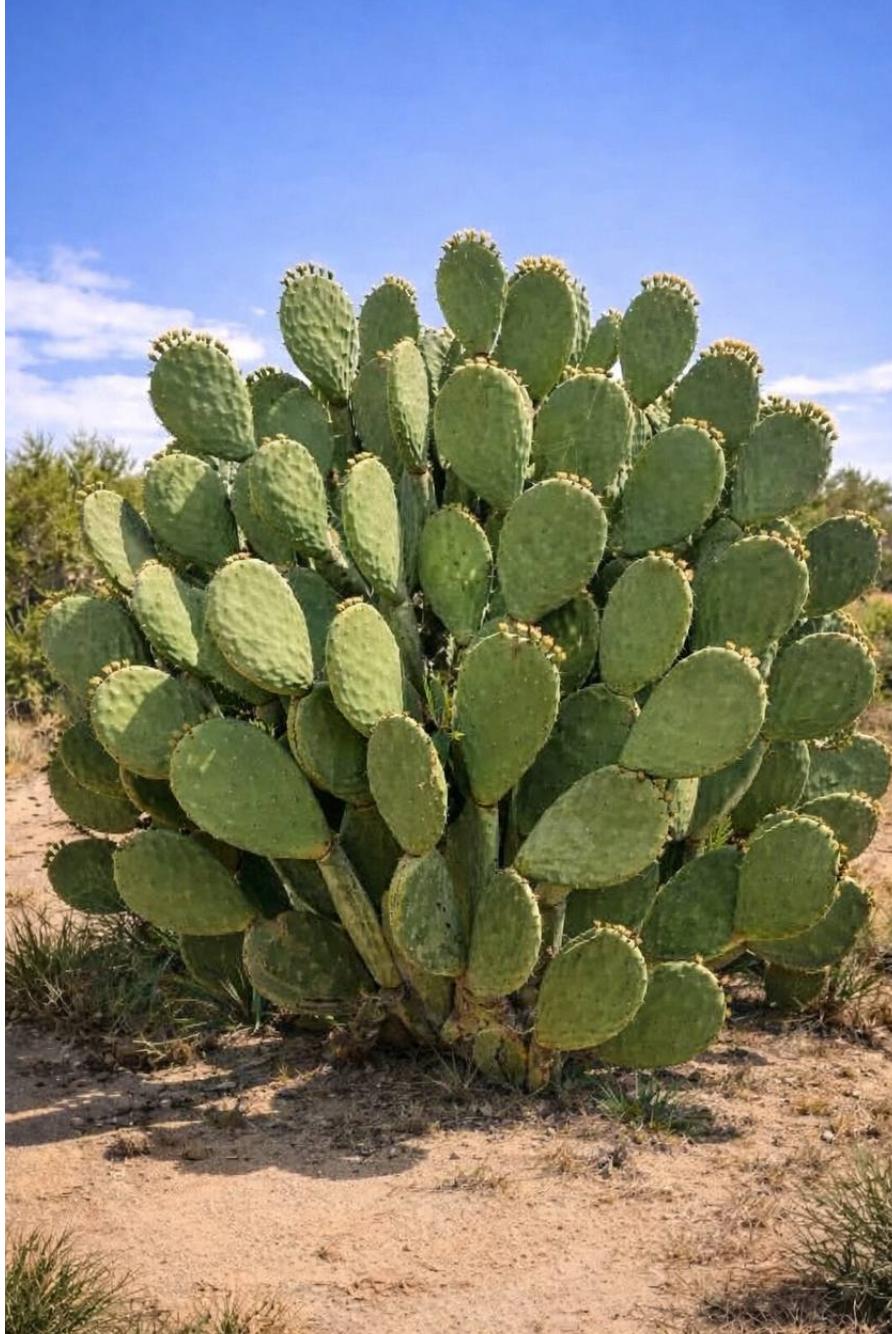
Cactus or the “Plant of Life”: Meaning, Types, Benefits, and Differences
The phrase “Plant of Life” is often used to describe plants that have exceptional healing properties, long lifespans, and the ability to survive in harsh environments. While many people assume this refers to a cactus, the name is most commonly associated with Aloe vera, a powerful medicinal succulent.
However, some cactus species—especially in regions like North Africa—are also considered life-giving plants due to their nutritional and economic value.
What Is a Cactus?
A cactus is a plant that belongs to the Cactaceae family. These plants are highly adapted to desert climates and dry environments.
Key Characteristics of Cactus Plants:
- Thick, fleshy stems that store water
- Spines instead of leaves (to reduce water loss)
- Ability to survive extreme heat and drought
- Slow growth but long lifespan
Common Types of Cactus:
- Opuntia (Prickly Pear)
- Carnegiea gigantea (Saguaro cactus)
- Barrel cactus
- Christmas cactus
Cactus plants are used for:
- Decoration (indoor and outdoor)
- Food (like prickly pear fruit)
- Cosmetics (especially cactus seed oil)
What Is the “Plant of Life”?
The term “Plant of Life” is most widely used for Aloe vera, a succulent plant known for its healing and therapeutic properties.
This plant has been used for thousands of years in traditional medicine systems across the world. Ancient civilizations, including the Egyptians, valued it so much that they called it the “plant of immortality.”
Is Aloe Vera a Cactus?
Although Aloe vera looks similar to a cactus, it is not a cactus.
Key Differences:
Both are succulents, meaning they store water, which is why they are often confused.
Why Aloe Vera Is Called the “Plant of Life”
1. Medicinal Uses
The gel inside aloe leaves contains vitamins, enzymes, and antioxidants that help:
- Heal burns and wounds
- Reduce inflammation
- Soothe skin irritation
2. Skincare Benefits
Aloe vera is widely used in cosmetics because it:
- Moisturizes and hydrates the skin
- Helps treat acne
- Improves skin elasticity
3. Internal Health Benefits
In some traditions, aloe is consumed in small amounts to:
- Aid digestion
- Support the immune system
Note: Overconsumption can be harmful, so it should be used carefully.
Other Plants Known as “Plant of Life”
Depending on the culture, the name may also refer to other plants such as:
- Kalanchoe pinnata – also called “Leaf of Life” or “Miracle Plant”
- Some cactus species like Opuntia, especially in desert regions
Importance of Cactus in North Africa
In countries like Morocco, Opuntia (locally known as “Hendia”) plays an important role in daily life.
Benefits:
- Produces sweet, refreshing fruit
- Seeds are used to make valuable cosmetic oil
- Helps prevent soil erosion
- Grows easily in dry, harsh climates
Cultural and Symbolic Meaning
Both cactus and aloe vera symbolize:
- Survival and resilience
- Healing and protection
- Life in difficult conditions
This is one of the main reasons why the term “Plant of Life” is used for these types of plants.
Conclusion
- The true “Plant of Life” is most commonly Aloe vera due to its powerful healing properties
- Cactus plants, especially Opuntia, are also essential in many regions for food and economic value
- While they look similar, aloe vera is not a cactus, but both belong to the broader group of succulent plants