
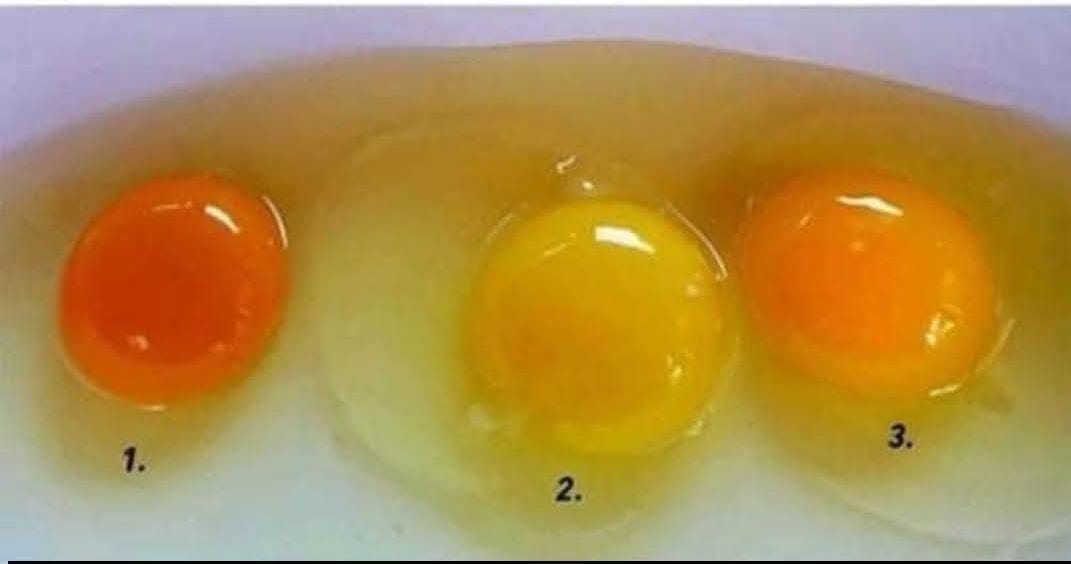
Which Egg Came from a Healthy Chicken?
The Truth About Yolk Color, Nutrition, and Egg Quality
When you crack open an egg, have you ever noticed that some yolks are pale yellow while others are deep orange? Many people assume that all eggs are the same—but the truth is far more interesting.
The color of an egg yolk can reveal important clues about the chicken’s diet, living conditions, and overall health. And in many cases, it also reflects the nutritional value of the egg itself.
If you care about eating healthier, choosing better-quality protein, or understanding the difference between pasture-raised, free-range, and factory-farmed eggs, this guide will help you make smarter decisions.
Why Yolk Color Matters
Egg yolks range in color from light yellow to deep golden orange. This difference is not random. It is primarily influenced by what the chicken eats.
Chickens that consume a natural, varied diet rich in grasses, insects, seeds, and plants tend to produce eggs with darker, more vibrant yolks. On the other hand, chickens raised in industrial settings and fed mainly corn- and soy-based feed often produce pale yellow yolks.
The deeper color comes from natural pigments called carotenoids. These antioxidants are found in leafy greens, flowers, and insects. When chickens consume carotenoid-rich foods, those nutrients transfer into the egg yolk.
So generally speaking, a darker yolk suggests a more diverse and nutrient-rich diet.
Does a Darker Yolk Mean a Healthier Egg?
In many cases, yes—but not always.
Research shows that pasture-raised eggs often contain:
- Higher levels of Omega-3 fatty acids
- More Vitamin A
- Increased Vitamin D
- Greater antioxidant content
- Slightly improved vitamin E levels
Chickens that roam outdoors and are exposed to sunlight naturally produce more Vitamin D. Their access to insects and plants improves the fatty acid profile of their eggs.
However, it is important to understand that yolk color alone is not a perfect indicator of quality. Some commercial producers add natural pigments (such as marigold extract) to chicken feed to deepen yolk color artificially.
This means that while yolk color is a useful clue, it should not be the only factor you consider.
Types of Eggs Explained
To understand which egg came from a healthy chicken, you need to know the difference between common egg labels.
1. Conventional (Factory-Farmed) Eggs
These eggs typically come from hens kept in cages or crowded indoor barns. The chickens:
- Have limited movement
- Rarely go outside
- Eat a controlled grain-based diet
Yolks are usually pale yellow.
Nutritional value is adequate but often lower in Omega-3s and certain vitamins compared to pasture-raised eggs.
These are usually the most affordable option.
2. Cage-Free Eggs
Cage-free hens are not kept in cages, but they still live indoors in large barns.
They can move more freely than caged hens, but they may not have outdoor access. Their diet is often similar to conventional feed.
Yolk color varies. Nutritional improvements may be minimal compared to conventional eggs.
3. Free-Range Eggs
Free-range hens have some access to the outdoors. However, the quality and duration of outdoor access can vary greatly depending on the farm.
Some may have small outdoor areas with limited vegetation. Others may have more natural environments.
Yolk color may be slightly darker, depending on what the chickens consume outside.
4. Pasture-Raised Eggs (Often the Best Option)
Pasture-raised chickens spend significant time outdoors in open fields where they can:
- Forage for insects
- Eat grasses and wild plants
- Move naturally
- Get direct sunlight
These eggs typically have deep orange yolks and often contain higher nutrient levels.
If you are looking for eggs from the healthiest chickens, pasture-raised is usually the strongest indicator.
Nutrition Comparison: Pasture-Raised vs Conventional Eggs
While exact values vary by farm, studies suggest that pasture-raised eggs may contain:
- Up to 2–3 times more Omega-3 fatty acids
- Higher levels of conjugated linoleic acid (CLA)
- More antioxidants
- Improved Vitamin D levels
The protein content is generally similar across all eggs, but the fat quality and micronutrient density can differ.
This makes pasture-raised eggs particularly appealing for people focused on heart health, inflammation reduction, and nutrient-dense eating.
Beyond Nutrition: Animal Welfare and Sustainability
Choosing eggs from healthy chickens is not just about nutrients—it’s also about ethics and sustainability.
Chickens allowed to roam outdoors typically:
- Experience less stress
- Exhibit natural behaviors
- Live in less crowded conditions
Healthier chickens often mean better immune function, which can reduce the need for antibiotics in some farming systems.
Supporting farms that prioritize animal welfare can also encourage more sustainable agricultural practices.
How to Identify High-Quality Eggs
Here are practical tips to help you choose wisely:
- Look for “Pasture-Raised” on the label
- Check for third-party certifications when possible
- Buy from local farmers’ markets if available
- Observe the yolk color—but don’t rely on it alone
- Taste the difference (many people report richer flavor in pasture-raised eggs)
Eggs from healthier chickens often have firmer whites and richer texture when cooked.
Common Myths About Egg Color
Let’s clear up a few misunderstandings:
- Brown eggs are not automatically healthier than white eggs. Shell color depends on the breed of the hen.
- Darker yolk does not always guarantee higher nutrition if pigments were added to feed.
- Expensive does not always mean better—research the brand when possible.
The Bottom Line
Which egg came from a healthy chicken?
In most cases, eggs with deep orange yolks from pasture-raised hens are the strongest indicator of better nutrition and healthier living conditions. These chickens benefit from natural diets, outdoor access, and sunlight exposure—all of which influence egg quality.
However, smart consumers look beyond yolk color. Labels, sourcing transparency, and farming practices all matter.
The next time you crack an egg, take a closer look. That vibrant yolk might tell you more about the chicken’s life—and your nutrition—than you ever realized.