
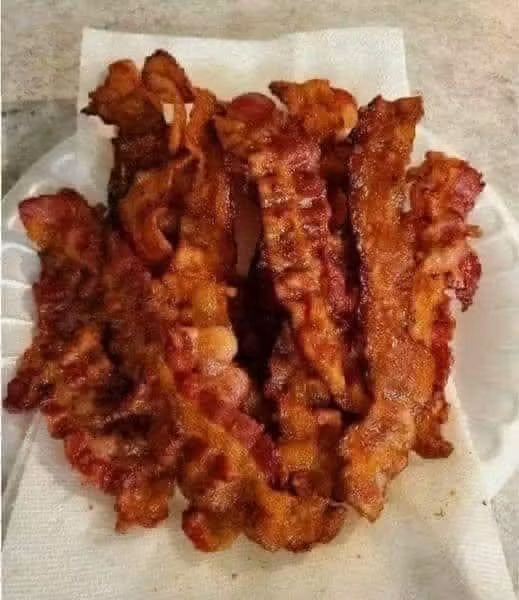
Secret Ingredient for the Crispiest Bacon
There is something incredibly satisfying about perfectly cooked bacon. The ideal slice should be golden brown, beautifully crisp around the edges, and crunchy enough to break with a gentle bite, while still retaining that rich, savory flavor that makes bacon so popular. However, getting bacon perfectly crispy can sometimes be more difficult than it seems. Cook it too quickly, and it may burn before the fat has properly rendered. Cook it too slowly, and it can remain soft or chewy.
Fortunately, there is a simple kitchen trick that can help you achieve exceptionally crispy bacon every time: cornstarch.
Adding a very small amount of cornstarch can help reduce surface moisture and encourage the bacon to develop an extra-crispy exterior as it cooks. When combined with the right cooking method, it can turn ordinary bacon into the kind of crunchy, golden bacon that works beautifully for breakfast, sandwiches, burgers, salads, brunch recipes, and even snacks.
This recipe explains exactly how to use this simple secret, why it works, how to avoid common mistakes, and how to customize your bacon depending on whether you prefer it lightly crisp or extra crunchy.
Why Cornstarch Makes Bacon Crispier
Bacon naturally contains a significant amount of fat and moisture. As it heats, the fat slowly renders out while the moisture evaporates. Once enough moisture has disappeared, the bacon can begin to brown and become crisp.
Cornstarch can help by absorbing a small amount of moisture from the surface of the bacon. This creates a drier exterior, which can encourage better browning and crisping.
The key is moderation. You do not want to coat the bacon in a thick layer of cornstarch. A very light coating is enough.
When combined with gradual cooking, the result can be bacon with a beautifully crisp surface and a deep, roasted flavor.
Ingredients
- 1 pound bacon, preferably thick-cut
- 1 teaspoon cornstarch
- 1 to 2 teaspoons cold water
- 1 teaspoon brown sugar, optional
- 1/2 teaspoon freshly ground black pepper, optional
- Parchment paper or aluminum foil
- A large rimmed baking sheet
- A wire rack, optional
Choosing the Best Bacon
The type of bacon you use will have a major effect on the final result.
For thick, crunchy bacon, thick-cut bacon is an excellent choice. Because it contains more meat, it can develop a wonderful contrast between a crisp exterior and a slightly chewy center.
Regular-cut bacon, on the other hand, usually becomes crisp faster and can produce a lighter, more delicate crunch.
If you are making bacon for breakfast, either type works well. For burgers and sandwiches, thick-cut bacon is especially good because it remains substantial after cooking.
Try to choose bacon slices that are relatively even in thickness so that they cook at approximately the same rate.
How to Make the Crispiest Bacon
Step 1: Prepare the Baking Sheet
Start by lining a large rimmed baking sheet with parchment paper or aluminum foil.
A rimmed baking sheet is important because bacon releases a considerable amount of hot fat while cooking. The raised edges help keep the rendered grease contained.
Arrange the bacon slices in a single layer.
Do not overlap the slices.
If the bacon pieces overlap, the areas between them can trap steam. This can make those sections softer instead of crisp.
For the best results, leave a little space between the slices whenever possible.
Step 2: Make the Cornstarch Mixture
Place 1 teaspoon of cornstarch in a small bowl.
Add 1 to 2 teaspoons of cold water and whisk until completely smooth.
You are looking for a very thin mixture rather than a thick paste.
If you want a sweet and savory version, you can add a teaspoon of brown sugar. For a slightly spicy flavor, add freshly ground black pepper.
Mix everything together until smooth.
Step 3: Apply a Very Thin Coating
Using a pastry brush, lightly brush the cornstarch mixture over the bacon.
You only need a very thin coating.
The bacon should not look white or heavily covered. If you can clearly see a thick layer of cornstarch, you have probably used too much.
The goal is simply to create a subtle surface layer that helps with crisping.
Step 4: Start With a Cold Oven
Place the prepared baking sheet inside a cold oven.
Set the oven to 375°F (190°C).
Starting the bacon in a cold oven allows the bacon and the oven to heat gradually. This gives the fat more time to render as the temperature rises.
It also makes the process easy because you can place everything in the oven before preheating.
Step 5: Bake Until Golden and Crisp
Bake the bacon for approximately 18 to 25 minutes, depending on the thickness of the slices and how crispy you want them.
Start checking around the 15-minute mark.
Thin bacon may finish sooner, while thick-cut bacon may need additional time.
Look for a deep golden-brown color and visibly crisp edges.
Remember that bacon will continue to firm up slightly as it cools, so you do not necessarily need to wait until every part looks completely rigid while it is still inside the oven.
Step 6: Let the Bacon Rest
Once the bacon is finished, carefully remove the baking sheet from the oven.
Transfer the bacon to a plate lined with paper towels or place it on a wire rack.
Let it rest for several minutes.
This step is surprisingly important.
Freshly cooked bacon can still look slightly flexible when it first comes out of the oven. As it cools, the fat settles and the texture becomes firmer.
After a few minutes, you should have beautifully crisp bacon that is ready to serve.
The Most Important Tips for Crispy Bacon
Do Not Overcrowd the Pan
One of the easiest ways to ruin crispy bacon is to overcrowd the baking sheet.
When too many slices are packed together, moisture has nowhere to escape. Instead of roasting and crisping properly, the bacon can partially steam.
A single layer is essential.
If you are cooking a large amount of bacon, use two baking sheets rather than piling everything onto one.
Do Not Add Extra Oil
Bacon contains plenty of fat.
There is normally no reason to add cooking oil to the pan.
As the bacon heats, its own fat will render naturally and help cook the slices.
Avoid Excess Cornstarch
Cornstarch is the secret ingredient, but more is not better.
A heavy coating can create an unpleasant powdery texture and may prevent the bacon from developing the right surface.
Use only enough to lightly cover the surface.
Watch the Bacon Toward the End
Bacon can go from golden brown to overly dark surprisingly quickly.
The final few minutes are especially important.
If your oven runs hot, begin checking the bacon earlier than the suggested cooking time.
How to Make Sweet and Crispy Bacon
For an extra-special breakfast or brunch version, try adding brown sugar.
Combine:
- 1 teaspoon cornstarch
- 1 teaspoon brown sugar
- 1 teaspoon cold water
- 1/2 teaspoon black pepper
Brush the mixture lightly over the bacon before baking.
The sugar will caramelize as the bacon cooks, creating deliciously dark, sticky, sweet edges.
This version is particularly good for brunch, breakfast sandwiches, burgers, and appetizers.
Because sugar can burn quickly, however, keep a close eye on the bacon during the last few minutes of cooking.
How to Make Extra-Crispy Bacon
If you prefer bacon that is extremely crunchy, there are a few additional tricks you can use.
First, choose regular-cut bacon rather than very thick bacon if your goal is maximum crunch.
Second, make sure the slices are not overlapping.
Third, allow the bacon to cook until it reaches a deep golden-brown color.
Finally, let it rest for a few minutes after removing it from the oven.
You can also place the cooked bacon on a wire rack instead of directly on paper towels. This allows air to circulate around the bacon and helps prevent the bottom from becoming softer from trapped steam.
Can You Cook Bacon on a Wire Rack?
Yes.
A wire rack placed over a rimmed baking sheet allows the rendered fat to drip below the bacon.
This can help keep the bacon elevated while it cooks and may produce a particularly even texture.
However, you do not absolutely need a rack. Cooking bacon directly on parchment or foil also works very well.
The most important factors are the cooking temperature, spacing, and cooking time.
Why Does Bacon Sometimes Turn Out Chewy?
There are several reasons.
The most common is simply insufficient cooking time.
Bacon needs enough heat and time for moisture to evaporate and fat to render.
Another possibility is overcrowding the pan. When slices are packed together, steam can prevent the surface from becoming properly crisp.
Finally, some people simply prefer their bacon less cooked. If you enjoy chewy bacon, you can remove it earlier.
There is no single perfect level of crispness. The best bacon is the bacon you enjoy eating.
Can You Use This Method Without Cornstarch?
Absolutely.
Cornstarch is an optional trick, not a requirement.
Bacon can become wonderfully crispy without it.
If you prefer a completely traditional approach, simply arrange the bacon on a lined baking sheet and bake it until it reaches your preferred level of crispness.
The cornstarch is useful when you want to experiment with an especially crisp exterior.
How to Serve Crispy Bacon
Perfectly crispy bacon can be used in countless recipes.
Serve it alongside:
- Scrambled eggs
- Fried eggs
- Pancakes
- Waffles
- French toast
- Breakfast potatoes
- Avocado toast
- Breakfast sandwiches
- Burgers
- Grilled cheese
- Salads
- Baked potatoes
- Mac and cheese
- Pasta dishes
You can also crumble crispy bacon over soups, salads, baked potatoes, or creamy pasta dishes for an instant boost of salty, smoky flavor.
How to Store Leftover Bacon
If you have leftover cooked bacon, allow it to cool and place it in a covered container in the refrigerator.
For the best quality, use it within several days.
When reheating, a skillet, oven, or air fryer can help restore some of the original crispness.
Microwaving works when you are in a hurry, but it may not produce the same crunchy texture as reheating it in a dry skillet or oven.
Frequently Asked Questions
What is the secret ingredient for the crispiest bacon?
A small amount of cornstarch can help create a crispier surface by reducing moisture on the outside of the bacon. The important part is using only a very thin coating.
Is cornstarch necessary for crispy bacon?
No. Bacon can become crispy without cornstarch. It is simply an optional technique for improving surface crispness.
What temperature is best for baking bacon?
Around 375°F (190°C) is a good starting point. Cooking time will depend on the thickness of the bacon and your preferred level of crispness.
Should bacon be flipped in the oven?
Usually, flipping is not necessary when baking bacon. The surrounding oven heat allows it to cook relatively evenly.
Should bacon start in a cold oven?
Starting in a cold oven is a popular method because it allows the bacon to heat gradually while the fat renders. It is especially convenient because you do not have to wait for the oven to preheat.
Why is my bacon not crispy?
The most common causes are overcrowding, insufficient cooking time, excessive moisture, or removing the bacon before enough fat has rendered.
Does thick-cut bacon get crispy?
Yes. Thick-cut bacon can become extremely crispy, although it generally takes longer to cook than regular bacon.
Can I add brown sugar?
Yes. Brown sugar creates a sweet, caramelized crust that pairs beautifully with salty bacon. Just watch the bacon carefully because sugar can burn quickly.