
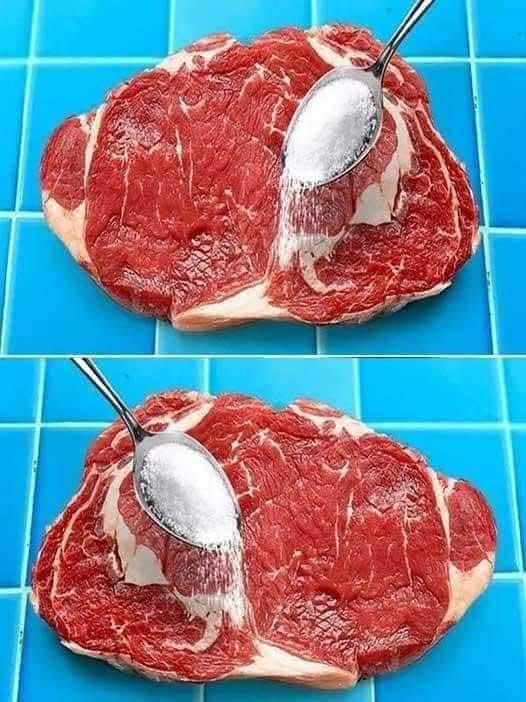
The Secret Ingredient for Tender Meat: How Baking Soda Makes Meat Incredibly Soft and Juicy
Have you ever wondered why meat from restaurants feels so tender, juicy, and flavorful compared to homemade meat? Whether it’s beef stir-fry, grilled chicken, steak strips, or even kebabs, professional chefs often use a simple trick that many home cooks don’t know about:
Baking soda.
Yes — the same inexpensive ingredient sitting in your kitchen can completely transform tough meat into soft, restaurant-style perfection.
This technique has been used for years in restaurants, especially in Chinese cuisine, where chefs use a process called “velveting” to keep meat tender and juicy during cooking.
In this guide, you’ll learn:
- Why baking soda works
- How to tenderize meat correctly
- The best meats to use
- Common mistakes to avoid
- Pro cooking tips for juicy meat every time
Why Meat Becomes Tough
Before understanding the magic of baking soda, it helps to know why meat sometimes becomes chewy or dry.
Meat contains proteins and muscle fibers. When exposed to high heat, these proteins tighten up. The more they tighten, the tougher the meat becomes.
This is especially common with:
- Cheap cuts of beef
- Overcooked chicken
- Lean meats with little fat
- Thin strips cooked too long
That’s where baking soda changes everything.
How Baking Soda Tenderizes Meat
Baking soda (sodium bicarbonate) changes the pH level on the surface of the meat.
When the surface becomes more alkaline, the proteins have a harder time bonding tightly together during cooking. This means the meat stays:
- Softer
- Juicier
- More tender
- Less dry
The result is meat that feels silky and tender — just like what you get in restaurants.
The Best Meats to Tenderize with Baking Soda
This method works best with:
- Beef strips
- Chicken breast
- Steak slices
- Lamb slices
- Pork
- Stir-fry meat
- Kebab meat
It’s especially useful for cheaper cuts of meat because it helps improve texture without expensive ingredients.
How to Tenderize Meat with Baking Soda
Ingredients
- 500g (1 pound) meat
- 1 teaspoon baking soda
- Water (optional)
Step-by-Step Instructions
Step 1: Slice the Meat Properly
Cut the meat into thin slices.
For best results, slice against the grain. This shortens the muscle fibers and naturally makes meat easier to chew.
Step 2: Add the Baking Soda
Sprinkle 1 teaspoon of baking soda over the meat.
Massage and mix it well so every piece gets coated evenly.
If needed, add 1–2 tablespoons of water to help distribute the baking soda.
Step 3: Let the Meat Rest
Leave the meat to rest:
- 15–20 minutes for thin slices
- Up to 30 minutes for thicker cuts
Do not leave it too long because the texture may become mushy or spongy.
Step 4: Rinse Thoroughly
After resting, rinse the meat very well under cold water.
This removes excess baking soda and prevents any strange taste.
Then pat the meat dry using paper towels.
Step 5: Cook as Desired
Now your meat is ready for:
- Stir-frying
- Grilling
- Pan-frying
- Skewers
- Sandwiches
- Rice dishes
- Noodles
- Tacos
- Salads
You’ll immediately notice the difference in tenderness.
The Perfect Ratio
The ideal amount is:
1 teaspoon baking soda per 500g (1 pound) of meat
Using too much can affect flavor and texture.
What Does Baking Soda Do to Meat Texture?
After using this method, the meat becomes:
- Softer inside
- Slightly velvety
- More flavorful
- Better at holding moisture
It also browns beautifully during cooking.
Common Mistakes to Avoid
1. Using Too Much Baking Soda
More is not better.
Too much baking soda can make meat taste metallic or feel overly soft.
2. Leaving It Too Long
Never leave baking soda on meat for hours.
20–30 minutes is usually enough.
3. Forgetting to Rinse
Always rinse thoroughly after tenderizing.
This step is essential.
4. Overcooking the Meat
Even tenderized meat can become dry if cooked too long.
Cook quickly over medium-high or high heat for best results.
Restaurant Secret: Velveting Meat
Many Asian restaurants use a method called “velveting.”
This usually combines:
- Baking soda
- Cornstarch
- Oil
- Soy sauce
The meat is marinated briefly before cooking.
This creates that silky, juicy texture found in restaurant stir-fries.
Velveting Marinade Recipe
Ingredients
- 500g sliced beef or chicken
- 1 teaspoon baking soda
- 1 tablespoon cornstarch
- 1 tablespoon soy sauce
- 1 tablespoon oil
Mix everything together and let sit for 20 minutes.
Rinse lightly if desired, then cook over high heat.
The texture becomes incredibly tender.
Other Natural Meat Tenderizers
If you don’t have baking soda, you can also use:
- Yogurt
- Lemon juice
- Vinegar
- Kiwi
- Pineapple
- Buttermilk
However, baking soda is one of the fastest and easiest methods.
Baking Soda vs Baking Powder
Many people confuse these two ingredients.
Baking Soda
- Pure sodium bicarbonate
- Used for tenderizing meat
- Stronger effect
Baking Powder
- Contains baking soda plus acids
- Used mostly for baking cakes and pastries
For meat tenderizing, always use baking soda — not baking powder.
Pro Tips for Juicy Meat Every Time
Use High Heat
Hot pans help seal the outside quickly while keeping the inside juicy.
Don’t Crowd the Pan
Too much meat in the pan releases water and causes steaming instead of browning.
Cook in batches if necessary.
Dry the Meat Before Cooking
After rinsing, pat the meat dry.
Dry meat browns better and develops more flavor.
Marinate After Tenderizing
Once the baking soda process is done, you can still marinate the meat normally for extra flavor.
Is Baking Soda Safe for Meat?
Yes — when used correctly and in small amounts, baking soda is completely safe.
Professional chefs around the world use this method regularly.
The key is:
- Use small amounts
- Don’t over-marinate
- Rinse well
Final Thoughts
Baking soda may seem like a small ingredient, but it can completely change the way your meat cooks and tastes.
With just a teaspoon and a few minutes, even tough cuts can become:
- Tender
- Juicy
- Flavorful
- Restaurant-quality
It’s one of the easiest cooking hacks you can learn, and once you try it, you’ll probably never cook meat the same way again.