
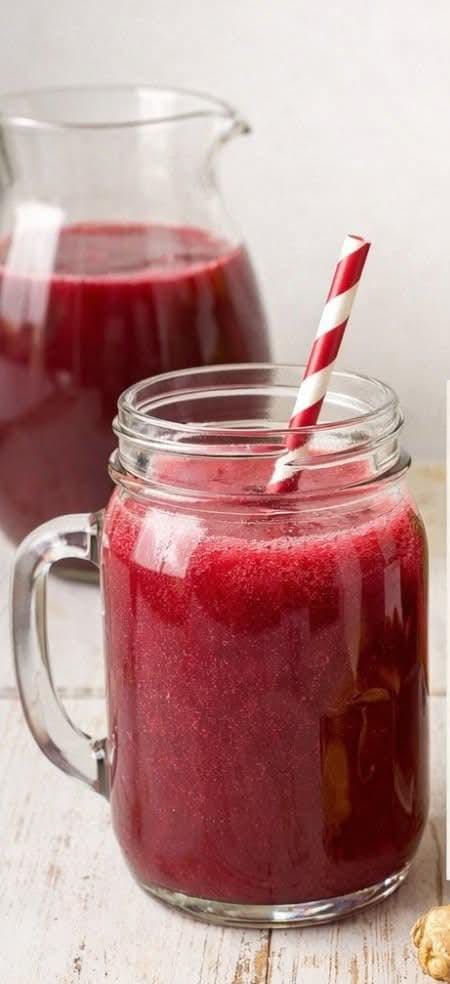
Beetroot Juice: Benefits for Digestion, Blood Sugar, and Liver Health
Beetroot juice has gained significant attention in recent years across health blogs, nutrition forums, and wellness communities. With its vibrant red color and impressive nutrient profile, this natural drink is often promoted as a powerful addition to a healthy lifestyle.
However, instead of focusing on exaggerated detox claims or miracle cures, it’s more helpful to understand what beetroot juice can realistically do for your body—especially when it comes to digestion, blood sugar balance, and liver health.
Let’s explore the science-backed benefits of beetroot juice and how to use it wisely for optimal results.
Why Beetroot Juice Is So Popular
Beets (Beta vulgaris) are root vegetables rich in essential nutrients and bioactive plant compounds. When consumed as juice, these nutrients become highly concentrated and easy to absorb.
Beetroot contains:
- Betalains (powerful antioxidants and anti-inflammatory compounds)
- Natural nitrates
- Vitamin C
- Folate (Vitamin B9)
- Potassium
- Magnesium
- Iron
- Small amounts of fiber (if unfiltered)
Because of this impressive nutritional profile, beetroot juice is often considered a functional food, meaning it offers health benefits beyond basic nutrition.
1. Beetroot Juice and Digestive Health
Supports Gut Function
While whole beets contain more fiber than the juice alone, fresh, unfiltered beetroot juice still provides small amounts of soluble fiber that can support digestion.
Fiber helps:
- Promote regular bowel movements
- Prevent constipation
- Support beneficial gut bacteria
- Improve overall digestive comfort
Stimulates Digestive Enzymes
Beetroot may help stimulate stomach acid production and digestive enzymes, which can improve nutrient absorption and reduce bloating after meals.
Anti-Inflammatory Effects in the Gut
Betalains found in beetroot have antioxidant and anti-inflammatory properties. Chronic inflammation in the digestive tract can contribute to discomfort and poor digestion, so reducing oxidative stress may support long-term gut health.
Important note: People with sensitive stomachs should start with small amounts, as beetroot juice can sometimes cause temporary bloating.
2. Beetroot Juice and Blood Sugar Regulation
One of the most interesting areas of research involves beetroot juice and its potential role in blood sugar control.
Low Glycemic Impact
Despite its slightly sweet taste, beetroot has a moderate glycemic index but a relatively low glycemic load when consumed in reasonable portions. This means it does not cause dramatic blood sugar spikes when taken in moderation.
Nitrates and Insulin Sensitivity
Natural nitrates in beetroot convert into nitric oxide in the body. Nitric oxide helps improve blood vessel dilation and circulation, which may support better insulin function and glucose uptake in cells.
Some studies suggest that beetroot consumption may:
- Improve insulin sensitivity
- Reduce post-meal glucose spikes
- Support metabolic health
However, it is not a replacement for medical treatment in people with diabetes. It should be part of an overall balanced diet.
Antioxidants and Metabolic Protection
Oxidative stress plays a role in insulin resistance. The antioxidants in beetroot juice may help reduce this stress, potentially supporting better metabolic balance over time.
3. Beetroot Juice and Liver Health
Beetroot is frequently associated with “detox” claims. While the body already has a highly effective detoxification system (mainly the liver and kidneys), certain nutrients in beetroot may help support liver function naturally.
Betalains and Liver Protection
Betalains have been studied for their potential protective effects against oxidative damage in liver cells. By reducing inflammation and oxidative stress, beetroot may help maintain healthy liver function.
Supports Natural Detox Pathways
The liver relies on antioxidants and specific nutrients to process toxins efficiently. Beetroot contains compounds that may:
- Support phase 2 detoxification pathways
- Improve bile flow
- Help reduce fat accumulation in the liver
Some research suggests beetroot may be beneficial in preventing or supporting management of non-alcoholic fatty liver disease (NAFLD), though more human studies are needed.
Additional Health Benefits of Beetroot Juice
Beyond digestion, blood sugar, and liver support, beetroot juice offers several other evidence-based advantages.
1. Improves Blood Circulation
The nitrates in beetroot convert into nitric oxide, which helps relax blood vessels. This may:
- Lower blood pressure
- Improve oxygen delivery
- Enhance cardiovascular health
2. Enhances Exercise Performance
Athletes often consume beetroot juice because it may improve endurance by increasing oxygen efficiency and reducing fatigue.
3. Supports Brain Health
Improved blood flow may benefit cognitive function, particularly in older adults.
How to Make Beetroot Juice at Home
Ingredients:
- 1–2 medium fresh beets
- 1 small carrot (optional)
- ½ apple (optional for sweetness)
- ½ lemon (optional)
- ½ cup water
Instructions:
- Wash and peel the beets.
- Chop into small pieces.
- Blend with water until smooth.
- Strain if desired.
- Serve fresh.
Best time to drink: Morning on an empty stomach or 30 minutes before exercise.
How Much Beetroot Juice Should You Drink?
Moderation is key.
Recommended amount:
- ½ to 1 cup (120–250 ml) per day
Drinking excessive amounts may lead to:
- Temporary red or pink urine (beeturia – harmless)
- Stomach discomfort
- Increased oxalate intake (important for people prone to kidney stones)
Who Should Be Cautious?
Beetroot juice may not be suitable for:
- Individuals with kidney stone history (high oxalates)
- People with very low blood pressure
- Those on nitrate-related medications
Always consult a healthcare professional if you have medical conditions.
Frequently Asked Questions (FAQ)
Is beetroot juice good for fatty liver?
It may support liver health due to its antioxidant and anti-inflammatory compounds, but it is not a cure. A balanced diet and medical guidance are essential.
Can beetroot juice lower blood sugar?
It may help support metabolic health, but it should not replace prescribed diabetes treatment.
Is it better raw or cooked?
Raw beetroot juice retains more nutrients, especially vitamin C and natural nitrates.
How long does beetroot juice last?
Fresh juice is best consumed immediately but can be stored in the refrigerator for up to 24 hours in an airtight container.
Final Thoughts
Beetroot juice is not a miracle cure—but it is a nutrient-dense, antioxidant-rich beverage that can support digestion, metabolic health, circulation, and liver function when consumed as part of a balanced diet.
The key is consistency, moderation, and realistic expectations.
If you are looking for a natural way to enhance your overall wellness routine, adding beetroot juice a few times per week may be a simple and beneficial step.